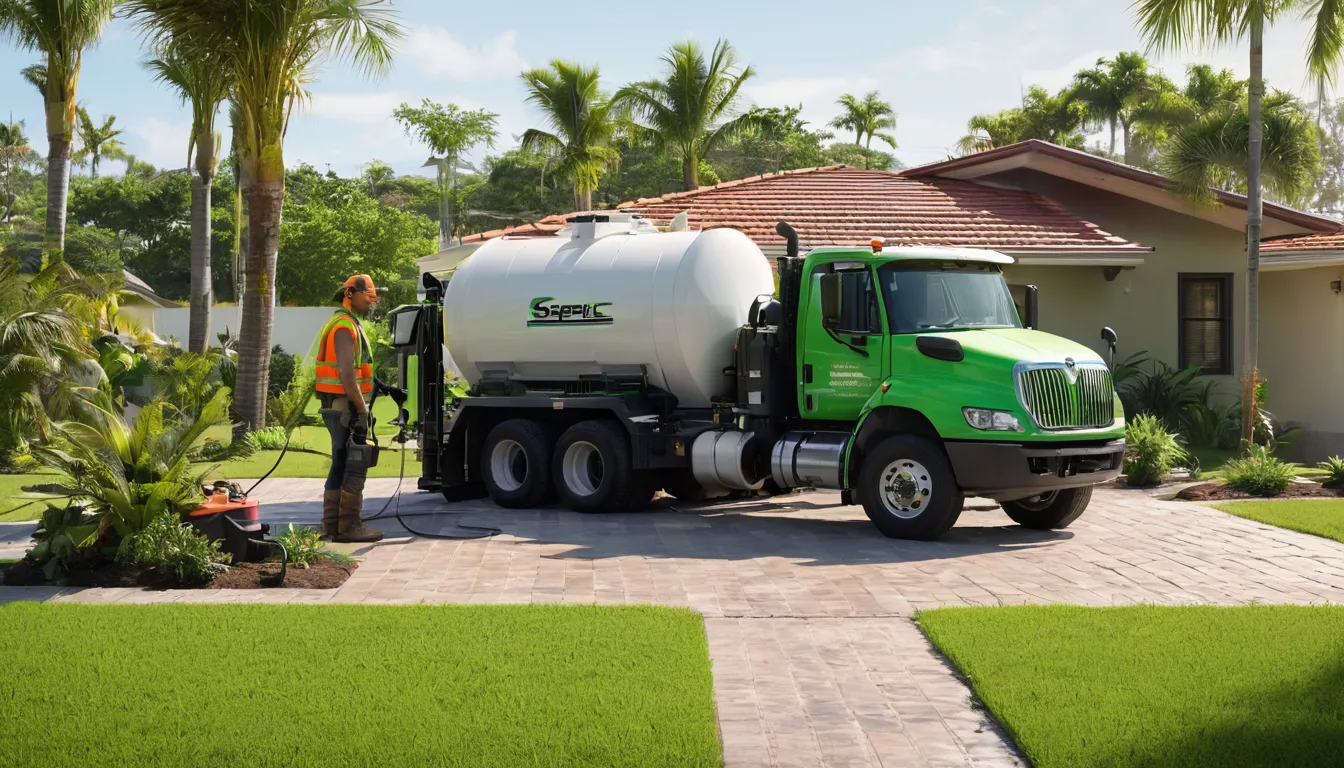
Septic Tank Pumping Services
Request an estimate today
Septic tank pumping removes the sludge and scum that build up inside your tank. Left alone, those solids can slip into the drainfield and clog it. A pump-out costs a few hundred dollars. Drainfield repair can cost thousands. That gap is why a regular schedule is the budget-friendly choice.
Smartquaiant Septic is a referral service, not a pumping company. We connect homeowners in the Clermont area with independent local providers in our network. The provider does the work and gives you the written quote. This page explains the signs of a full tank, what drives the price, and what to ask before you say yes.
Tank Full or Backing Up? Start Here
Slow drains are a warning. So are gurgling pipes, sewage smells, and soggy grass over the tank. Cut back on water use now. Hold off on laundry and long showers. If sewage is coming up inside, keep kids and pets away from it.
Need emergency septic cleaning? Ask for an estimate and tell the provider what you see. Many providers can respond quickly, but availability varies.
Referral, Not Repair: Who Does What
Smartquaiant Septic does not pump tanks. We connect you with independent local providers in our network. The provider does the work, sets the price, and gives you the written quote. Any agreement is between you and that provider.
What Septic Tank Pumping Really Is
A vacuum truck pulls out the heavy sludge on the bottom and the scum on top. The water in the middle normally flows on to the drainfield. If the solids pile up, they can follow it and clog the soil. Pumping keeps the solids in the tank, where they belong.
Why Regular Pumping Saves Money
Think of pumping as a small bill that prevents a big one. A pump-out is usually a few hundred dollars. Drainfield repair can run into the thousands, and clogged soil is hard to fix cheaply.
A steady schedule also helps you plan. You can set money aside each year instead of facing a surprise.
If your home also has a private well, a failing system can raise water quality worries. Ask the provider about water well service or testing.
How Often Should You Pump?
Many households pump every three to five years. Your number may differ. These things move it up or down:
- Tank size: a bigger tank holds more solids before it needs service.
- People at home: more people means more waste and more water.
- Garbage disposal: it adds solids, so pumping may come sooner.
- Past records: check old receipts or ask a provider to review them.
Local rules may also set a schedule, so ask the provider what applies in your area.
Know the Price Drivers
Two pumping quotes can look far apart. Here is why:
- Tank size and how full it is
- How long since the last pump-out
- Digging to find buried lids
- Distance from the truck to the tank
- Disposal fees at the treatment site
- Urgent or after-hours requests
Ask the provider which of these are in your quote.
What Happens During a Pumping Visit
The provider finds the tank and opens the lids. The truck hose pulls out the contents. Many providers also check the baffles, the inlet and outlet pipes, and the water level. They may look at the filter if your tank has one. You should get a note of what was found.
Pumping and Inspections
A pump-out is a good time for an inspection. The tank is empty, so cracks and worn parts are easier to see. An inspection can add to the bill, but it can also catch a small problem early. Ask whether it is bundled in the quote or priced as an extra.
Storms, Humidity and High Water
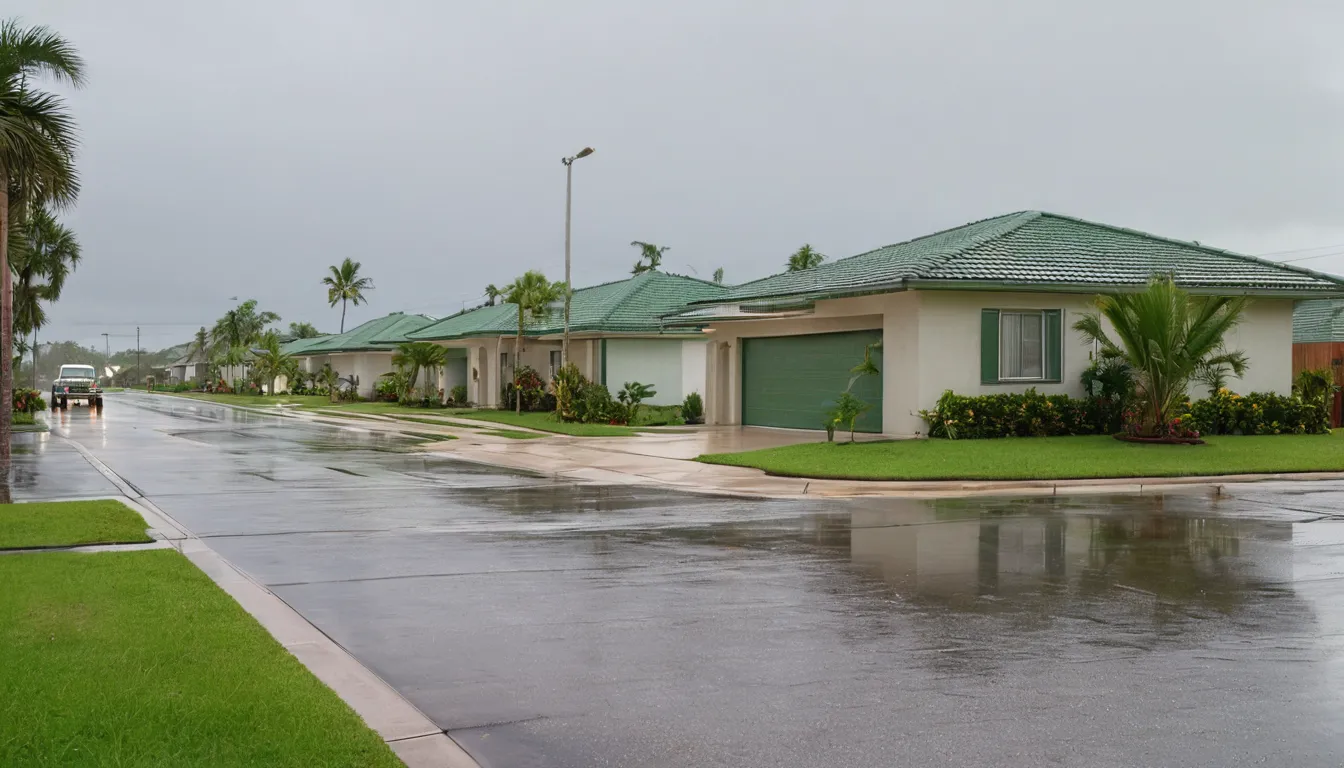
Heavy summer storms and hurricane season can leave the ground soaked. A soaked drainfield cannot drain well, and a full tank makes it worse. Ask the provider when to schedule pumping around wet weather. If a storm has flooded your yard, avoid heavy water use until the ground dries.
Some policies may cover sudden damage, so check your policy. Providers can often help document damage for a claim.
Buying or Selling a Home With a Septic System
Buyers often ask for a pump-out and inspection before closing. Sellers can save stress by keeping records handy. Many homes from the 1970s to 2000s have older tanks, so a check before a sale is wise. Ask for the findings in writing.
Request a callback to check provider availability.
Caring for Your System Between Pumpings
Small habits protect your tank:
- Spread laundry across the week.
- Flush only toilet paper and waste.
- Keep grease, wipes, and paint out of drains.
- Keep cars and heavy items off the tank and drainfield.
- Fix dripping taps and running toilets.
Compare Written Quotes
Get at least two written quotes if time allows. Compare the tank size, what is included, and any extra fees. A quote with a small number may leave out lid digging or disposal. A clear quote helps you choose with confidence.
Questions to Ask the Provider
- Is the price based on tank size or a flat rate?
- Are digging, disposal, and filter cleaning included?
- Will you check the baffles and inspect the tank?
- How soon can you come, and is there an urgent fee?
- Will I get a written note after the visit?
What's Included
Tank Pump-Out
A provider vacuums out sludge and scum so solids stay out of your drainfield and pipes.
Baffle and Lid Check
Many providers look at lids, baffles, and pipes while the tank is open.
Emergency Septic Cleaning
For backups or overflows, ask about urgent service. Availability and fees vary by provider.
Written Notes
Ask for a short record of what was pumped and found. It helps with future schedules and sales.
Typical Septic Pumping Costs
These are typical U.S. ranges. Your price depends on tank size, access, distance, and how full the tank is. Treat them as a starting point and get a written quote.
| Item | Typical range | Notes |
|---|---|---|
| Standard pump-out (about 1,000 gallons) | $250 – $600 | Most common job for smaller homes |
| Larger tank (1,500+ gallons) | $400 – $900 | More volume means a higher price |
| Urgent or after-hours pumping | $500 – $1,000 | Extra fee for rush or off-hour visits |
| Pumping with inspection | $350 – $750 | Adds a check of the tank parts |
| Lid or riser install | $300 – $900 | Makes future access easier |
| Finding a buried tank | $100 – $300 | Needed if lids are not marked |
How It Works
Describe the Problem
Tell us about slow drains, odors, or backups, plus your tank size if you know it.
Get Matched with Providers
We pass your request to a local provider in our network.
Compare Written Quotes
Check tank size, included services, and fees. Ask questions before you agree.
Provider Does the Work
The provider pumps the tank, checks the parts, and gives you notes for your records.
Why Call Smartquaiant Septic
Referral Model
Smartquaiant Septic explains the process and connects you with independent providers. The provider does the work and sets the price.
Clear Pricing
We explain what moves the price so you can read a quote with confidence.
Quote Comparison
Compare written quotes side by side before you decide. There is no obligation to book.
Local Providers
Providers in our network know local soil, wet seasons, and common home setups.
Other Services
Need septic tank pumping services in Clermont?
Send a short request and a local provider from our network will follow up with a written quote. Prefer to talk? Request a callback to check provider availability.
No obligationSeptic Tank Pumping Services FAQ
How often should a septic tank be pumped?
Many households pump every three to five years. Tank size, number of people, and disposal use change that. A provider can review your records and suggest a schedule for your home.
How much does septic tank pumping cost?
Typical U.S. prices run from about $250 to $600 for a standard tank. Larger tanks, hard access, and urgent visits cost more. Always get a written quote first.
Does Smartquaiant Septic pump the tank itself?
No. Smartquaiant Septic is a referral service. Independent local providers in our network do the pumping and set their own prices.
Reach a local provider
Send a short request and a local provider from our network will follow up with a written quote. Prefer to talk? Request a callback to check provider availability.
No obligation